
6th Freiberg Refractory Symposium 2026
A strong driver of decarbonization in thermal process technology.
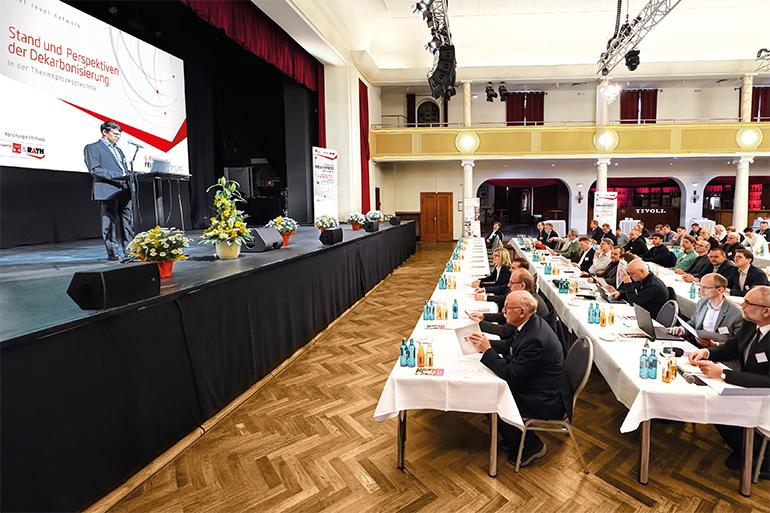
From April 20 to 22, 2026, Freiberg (Germany) once again became a key meeting point for the refractory industry: The 6th Freiberg Refractory Symposium convened leading experts from industry, research, and plant engineering to explore the latest developments and emerging challenges in thermal process technology. The focus was on the decarbonization of thermal processes and on the question of how this transformation can be realized without compromising process safety, efficiency, or plant availability.
The event was organized by international refractory manufacturer RATH in cooperation with the German Ceramic Society (Deutsche Keramische Gesellschaft, DKG), the German Society for Refractory and Chimney Construction (Deutsche Gesellschaft für Feuerfest und Schornsteinbau, dgfs), and TU Bergakademie Freiberg.
“Economic conditions remain challenging. That makes it all the more important for us to use this symposium to actively contribute to securing the industry’s future,” emphasized Andreas Pfneiszl, CEO of RATH Group.
He noted that advancing the decarbonization of thermal process technology requires close collaboration between industry and research, with the symposium serving as a dedicated platform for this exchange.
Decarbonization in thermal process technology:
Current status and future prospects
The program covered the entire value chain of thermal process technology, spanning the development and advancement of refractory materials, energy optimization across research, production, and application, as well as the sustainable use of raw materials, including recycling. It also addressed intelligent maintenance, repair, and servicing strategies to improve durability, extend the service life of refractory linings, and increase plant availability. Additional topics included the electrification of thermal processing systems and challenges such as hydrogen corrosion in refractory materials.
Around 20 technical presentations from industry, research, and plant engineering highlighted current developments, best practices, and ongoing research projects. They demonstrated once again that decarbonization is not only a challenge but also promotes innovation in new materials and more efficient plant design concepts.
Example of innovative materials development:
ALTRA® 1500C from RATH
RATH presented a compelling example of innovation with its new ALTRA® 1500C high-temperature wool. This non-classified polycrystalline wool is optimized for applications up to 1400 °C and is available as wool, blankets, and module form. It combines high temperature resistance with efficient thermal insulation, long service life, and ease of installation, complementing traditional refractory products such as bricks and castables in modern lining concepts.
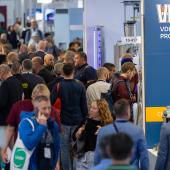
The strong interest and active participation of more than 100 attendees once again underscored the importance of the symposium as an established platform for professional exchange and networking within the refractory industry.
For info: www.rath-group.com

Did you find this article useful?
Join the CWW community to receive the most important news from the global ceramic industry every two weeks






Read more